Best Time to Visit Dapoli: A Season-by-Season Guide
Each season paints Dapoli in a different light. Here is what to expect month by month so you can pick the perfect time for your Konkan coast getaway.
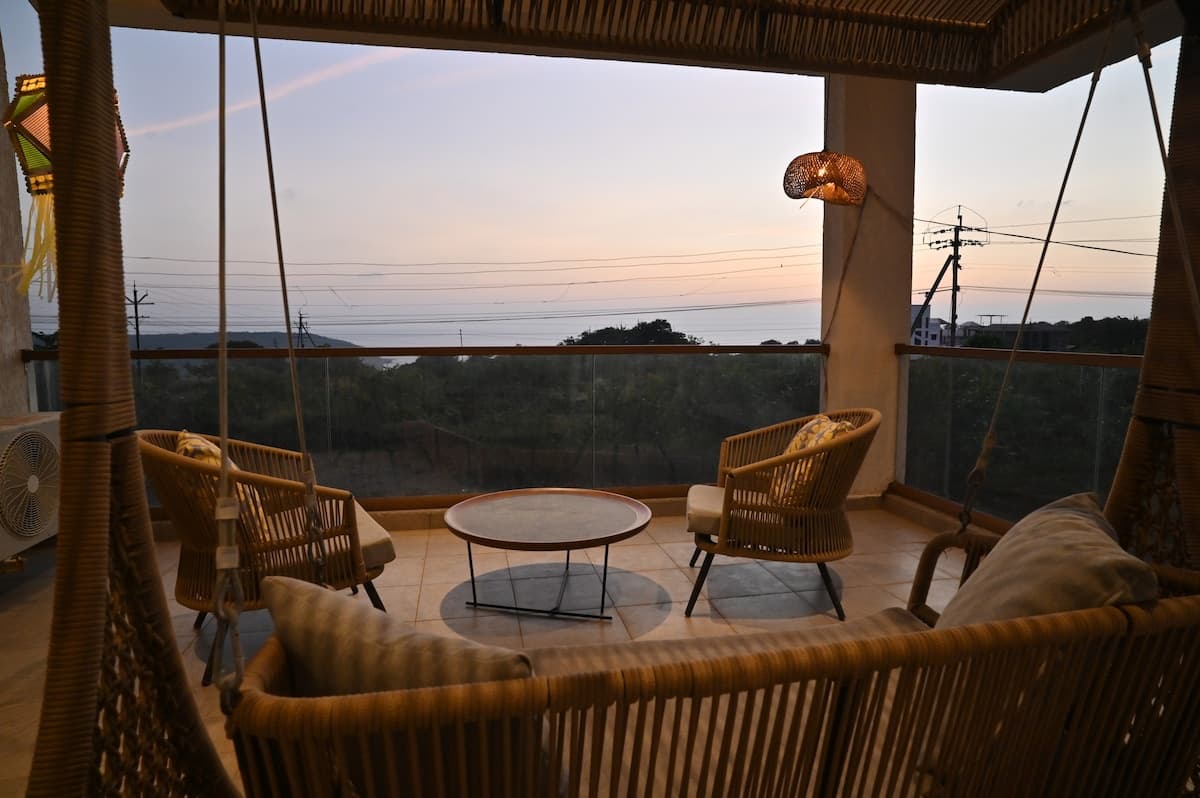
Dapoli's location — on elevated ground overlooking the Arabian Sea — gives it a milder climate than most of the Konkan lowlands. But the experience varies dramatically by season. Here is what each period of the year brings.
October to December: The Sweet Spot
This is widely considered the best time to visit Dapoli, and for good reason.
The monsoon has just retreated, leaving everything lush and green. Temperatures hover between 22-32 degrees Celsius — warm but not oppressive. The sea calms down after the monsoon fury, making beaches safe for swimming. The air has a freshness that makes every morning feel like the start of something special.
October sees occasional late-monsoon showers but is mostly clear. November is arguably the finest month — perfect weather, low humidity, and uncrowded beaches. December brings cooler evenings when a light jacket feels welcome.
This is also the season for the Kolthare turtle nesting — a remarkable natural event on Anjarle Beach.
January to February: Cool and Clear
The coolest months in Dapoli, with temperatures dropping to 18-28 degrees Celsius. Mornings can feel genuinely crisp, especially if your villa has a terrace facing the sea.
These months are perfect for outdoor activities — trekking to forts, exploring hot springs, and long beach walks without breaking a sweat. The sea remains calm and inviting. Clear skies make for exceptional stargazing at night.
The flip side: this is peak season, and popular properties book up quickly. Plan at least 2-3 weeks in advance for weekends.
March to May: Warm and Mangolicious
As temperatures climb to 30-38 degrees Celsius, the coast gets warmer. But Dapoli's elevation keeps it slightly cooler than the surrounding lowlands.
March is still comfortable. April-May brings the Alphonso mango season — the Konkan region produces some of the world's finest mangoes, and local farms sell them fresh off the tree. The scent of ripe hapus (Alphonso) literally fills the air.
Morning and evening are the best times for beach visits. Midday heat can be intense, making this the time to enjoy the pool and indoor spaces. The upside: far fewer tourists and better availability at villas.
June to September: Dramatic Monsoon
The monsoon transforms Dapoli into a green wonderland. Rainfall is heavy — expect 2,500-3,000 mm over four months. The sea turns rough and grey, with massive waves crashing against the shore. Waterfalls appear on hillsides. Every surface seems to sprout vegetation overnight.
Why visit during monsoon? For the sheer drama of it. Watching a storm roll in from the Arabian Sea while you sit in a warm living room with a cup of chai is an experience that no other season can replicate. The landscape photography opportunities are extraordinary — mist-covered hills, rain-washed greens, and moody skies.
What to know: Beach swimming is dangerous during monsoon. Some roads may be temporarily flooded. Outdoor activities are limited. But if your idea of a vacation is reading books by the window while rain drums on the roof, monsoon Dapoli is paradise.
The Verdict
For first-timers: November or February — guaranteed good weather and the full Dapoli experience.
For families: October to December or January to February — mild weather, safe beaches, best conditions for kids.
For couples seeking romance: Monsoon or December — dramatic scenery and cosy indoors.
For foodies: April-May — mango season meets fresh seafood.
For budget travellers: Monsoon or March-May — fewer tourists mean better prices and more availability.
Every season has its charm. The question is not when to visit Dapoli, but which version of Dapoli you want to experience.
Frequently Asked Questions
Is Dapoli good in December?
December is one of the best months — cool evenings, calm seas, and uncrowded beaches. Perfect for families and couples.
Can you visit Dapoli in June-July monsoon?
Yes, and it can be magical. The sea is rough so swimming is off the table, but the dramatic scenery and cosy villa atmosphere are unparalleled. Read more about monsoon travel to Dapoli.
When should I avoid Dapoli?
Peak summer (May) can be very hot. Monsoon (June-September) limits outdoor activities. But even then, there are joys to be found in each season.
How far in advance should I book a Dapoli villa?
2–3 weeks for regular weekends; 4–6 weeks for long weekends and December holidays. Best to check availability at Aurai Villa as soon as your dates are fixed.
Book Aurai Villa — Open All Year Round
Aurai Villa is available across all seasons. Whatever time of year you choose, wake up to ocean views, enjoy the private pool, and experience Dapoli at its best. Check availability and rates here.
Aurai Villa Team
Written by the hosts of Aurai Villa — a sea-facing 4BHK luxury villa with private pool and jacuzzi near Kolthare Beach, Dapoli. We share travel guides, local tips, and insider knowledge about the Konkan coast to help you plan the perfect getaway.