Birdwatching in Dapoli & the Konkan Coast: Species, Spots & Season
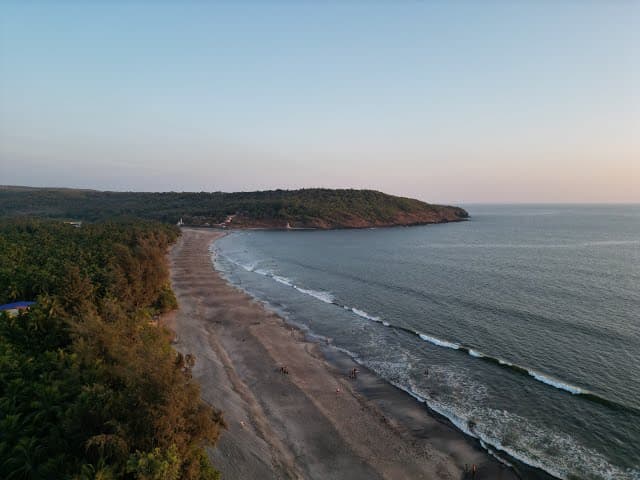
The Konkan coast near Dapoli is a birdwatcher's delight — estuaries, mangroves, coastal forests, and rocky headlands all support distinct and spectacular species.

The Western Ghats is one of the world's eight biodiversity hotspots, and its western slope — the Konkan coast — channels a remarkable variety of resident and migratory bird species into a landscape compressed between the sea and the mountains. For birdwatchers, the region around Dapoli offers a genuinely excellent 2–3 day list with relatively little effort.
Key Habitats Around Dapoli
Mangroves and Estuaries: The river mouths at Anjarle (Jalvi River), Harnai, and several smaller coastal streams support wading birds, kingfishers, and raptors. Best visited at low tide when mudflats are exposed.
Coastal Scrub and Laterite Plateau: The open laterite grasslands above the coast support larks, pipits, and several raptor species.
Deciduous Forest: The hills between Dapoli and the ghats have mixed deciduous forest where hornbills, flycatchers, and woodpeckers are common.
Rocky Coastline: The basalt and laterite sea cliffs support osprey, Brahminy Kite, and peregrine falcon.
Species to Watch For Near Dapoli
Resident Species (Year-Round)
- Malabar Pied Hornbill (Anthracoceros coronatus): Unmistakable large black-and-white bird. Common in coastal forest. Listen for its loud, harsh call.
- Indian Roller (Coracias benghalensis): Bright turquoise and brown. Frequently perches on power lines and fence posts.
- Brahminy Kite (Haliastur indus): Reddish-brown and white raptor, common over fishing harbours and coast. Watch above Harnai Harbour.
- White-throated Kingfisher (Halcyon smyrnensis): Brilliant blue with chestnut head. Common near streams, estuaries, and coast.
- Black-naped Monarch (Hypothymis azurea): Deep blue male. Common in coastal forest.
- Oriental Pied Hornbill: Less common than Malabar Pied; look in riparian woodland.
Migratory Winter Visitors (October–March)
- Indian Paradise Flycatcher (Terpsiphone paradisi): Male has spectacular long white tail. Winters in Konkan forest.
- Bar-tailed Godwit: Long-billed wader; on coastal mudflats
- Common Sandpiper: Common along river estuaries and rocky coast
- Eurasian Marsh Harrier: Winter raptor over coastal wetlands
- Chestnut-winged Cuckoo: Rare but recorded in Konkan during winter
Waterbirds at Harnai and Anjarle Estuaries
- Great Egret and Little Egret: Common year-round
- Purple Heron: Tall, reddish-purple; in reed beds near the estuary
- Indian Cormorant: Dries wings on rocks near fishing harbour
- River Tern: Hovers over the estuary before diving for fish
- Black-headed Ibis: Seasonally common on mudflats
Best Birdwatching Spots Near Dapoli
Anjarle Estuary: Arrive at low tide (early morning). The mudflats attract waders; the mangrove edge hosts kingfishers and herons. Allow 2 hours.
Harnai Harbour: The fish market activity attracts Brahminy Kites, egrets, and cormorants. Early morning is best.
Forest Road between Dapoli and Mandvi: A 30-minute drive through secondary forest. Slow down and stop frequently — hornbills, flycatchers, and woodpeckers are common.
Laterite plateau above Kolthare: Open country birds — larks, pipits, bee-eaters, and harriers in winter.
Practical Birdwatching Tips
- Start at dawn: Most species are most active in the first 2 hours of daylight
- Bring binoculars: 8×42 or 10×42 are suitable for most situations here
- Take a field guide: Birds of the Indian Subcontinent by Grimmett, Inskipp and Inskipp is the standard reference
- eBird: The citizen science app is invaluable; check recent sightings in the Dapoli area before arriving
- Quiet and patient movement: Forest birds respond well to sitting still for 10–15 minutes
Frequently Asked Questions
Is Dapoli good for birdwatching?
Yes — the combination of coastal, estuarine, and forest habitats within a 30 km radius produces a diverse species list. Not a dedicated birding destination but an excellent bonus for nature visitors.
When is the best time for birdwatching in Dapoli?
October through February combines resident species with winter migrants. Monsoon (June–September) brings activity but access to some areas is limited.
What is the most special bird to see in the Dapoli area?
The Malabar Pied Hornbill is the iconic species of the Western Ghats and Konkan coast — striking, large, and endemic to this region.
Birdwatch from the Villa Terrace Too
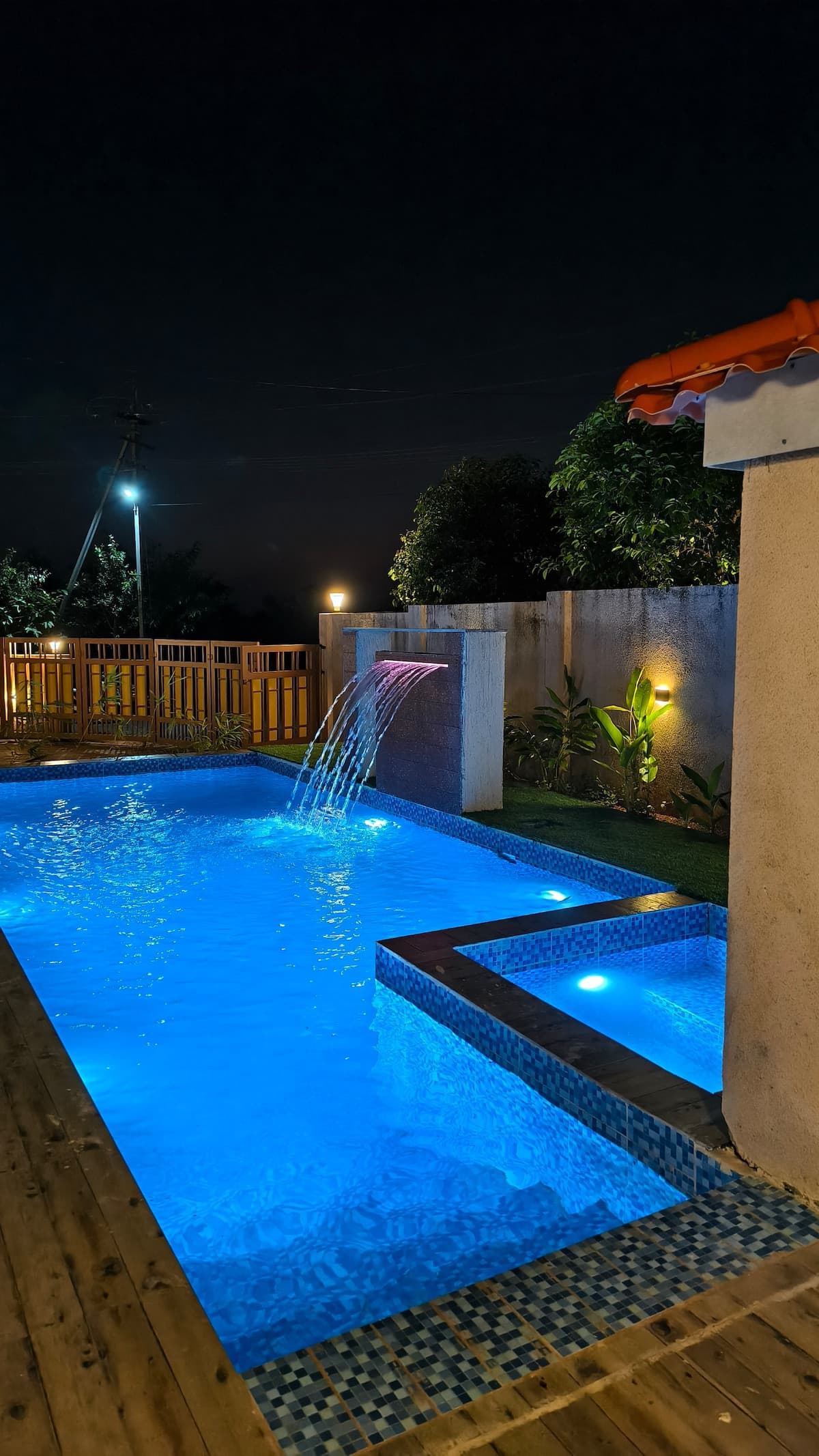
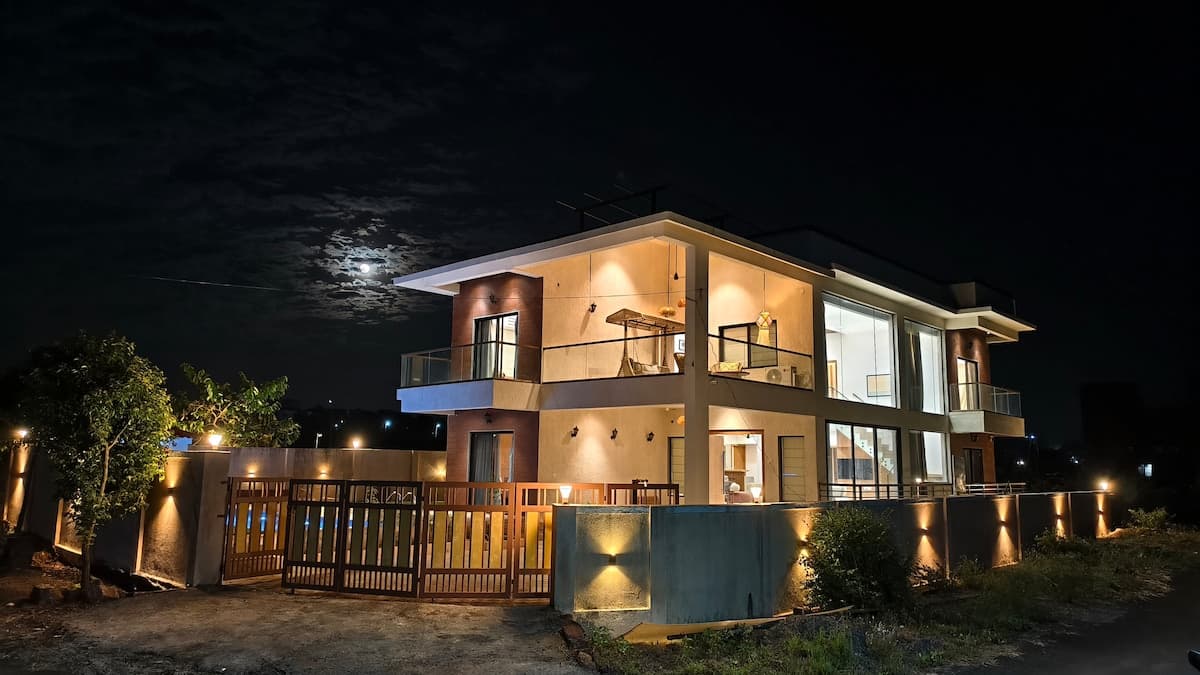
Aurai Villa near Kolthare Beach has a sea-facing terrace from which Brahminy Kites, egrets, and the occasional osprey are visible. Book your birding-friendly Dapoli stay.
Aurai Villa Team
Written by the hosts of Aurai Villa — a sea-facing 4BHK luxury villa with private pool and jacuzzi near Kolthare Beach, Dapoli. We share travel guides, local tips, and insider knowledge about the Konkan coast to help you plan the perfect getaway.