Exploring Suvarnadurg Fort: History & Visitor Guide
A guide to visiting Suvarnadurg — the golden fort rising from the Arabian Sea near Dapoli, built by Shivaji Maharaj's Maratha navy in the 17th century.
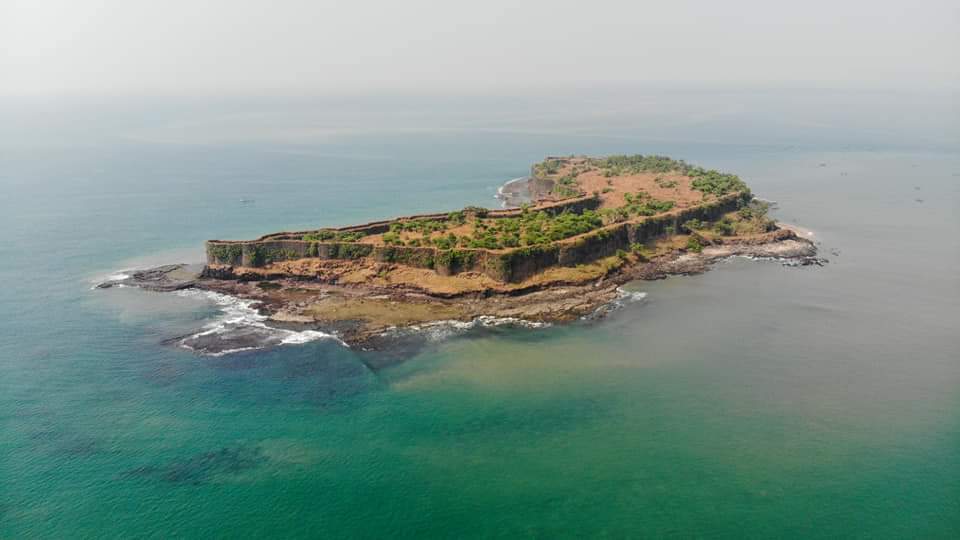
Rising from a rocky island in the Arabian Sea, Suvarnadurg Fort is one of the most atmospheric historical sites on the Konkan coast. Located near Harnai port, about 20 minutes from Dapoli, this Maratha sea fort offers a fascinating window into 17th-century naval warfare and stunning panoramic ocean views.
A Brief History
Suvarnadurg — literally "Golden Fort" — was originally built by the Adil Shahi dynasty of Bijapur. It was captured by Shivaji Maharaj in 1660 as part of his campaign to establish Maratha control over the western coastline. The fort became a key node in the Maratha naval defence network, guarding the Harnai harbour and controlling maritime trade routes.
The fort saw action during the Maratha-Siddi conflicts and later during the Anglo-Maratha wars. The British eventually gained control in 1818. Today, it stands as a monument to the Maratha maritime tradition — a reminder that Shivaji's vision extended beyond land warfare to dominating the seas.
Getting There
The fort sits on an island about 500 metres offshore from Harnai. To visit:
- Drive to Harnai port (about 20 km from Dapoli, 30 minutes by car)
- At the port, local fishermen offer boat rides to the fort. The crossing takes about 10-15 minutes
- Boats typically charge per person for a group. Negotiate before boarding
- The best time to go is morning, when the sea is calmer
The boat ride itself is a highlight — you approach the fort from the sea, just as invading armies once did, watching the massive walls grow larger as you get closer.
What to See
The Main Gate — Partially submerged at high tide, the entrance is a narrow passage through thick stone walls. Look for the carved lotus and sun motifs — Maratha architectural signatures.
The Bastions — Walk along the fort walls for 360-degree ocean views. The ramparts are intact in several sections and give a clear sense of the fort's defensive layout. From the highest points, you can see the Konkan coastline stretching in both directions.
Fresh Water Tank — One of the engineering marvels of Maratha forts is their fresh water management. Suvarnadurg has a sweet water tank despite being surrounded by the sea — a critical feature for any garrison.
Temple Ruins — A small temple dedicated to the goddess Bhavani sits within the fort complex. Though partially ruined, it speaks to the spiritual life of the soldiers stationed here.
Lighthouse Area — The northern tip of the fort offers the most dramatic views. On clear days, you can see the outline of Harihareshwar and the coastline towards Dapoli.
Practical Tips
- Footwear: Wear sturdy shoes with grip — the fort's interior is uneven with loose stones
- Water: Carry your own — there are no facilities on the island
- Timing: Visit at low tide for easier access to the main gate
- Duration: Allow 1.5-2 hours for a thorough exploration
- Season: October to May is best. Monsoon makes the boat ride risky
- Photography: The fort photographs beautifully in morning light — the golden stone glows against the blue sea
Nearby: Kanakdurg
Just adjacent to Suvarnadurg is the smaller Kanakdurg (Silver Fort), also built by the Marathas. At low tide, you can sometimes walk between the two. Together, they formed a twin-fort defence system protecting the harbour — a remarkable piece of military planning.
Combining with Other Activities
Make a half-day trip by combining the fort visit with:
- Harnai fish market — Buy the morning catch and take it back to your villa for lunch
- Harnai beach — A small but clean beach near the port
- Lunch at a local restaurant — Several eateries near Harnai serve fresh seafood thalis
Suvarnadurg is not just a ruin to photograph — it is a place that brings history alive. Standing on its walls with the Arabian Sea stretching to the horizon, you understand why the Marathas fought so hard to control this coast.
Frequently Asked Questions
How do you get to Suvarnadurg Fort?
Drive to Harnai port (20 km from Dapoli, 30 minutes). Local fishermen run boat rides to the fort island. The crossing takes 10–15 minutes. Best to go in the morning when the sea is calmer.
How much does Suvarnadurg Fort cost to visit?
There is no entry fee for the fort itself. You will pay for the boat ride — negotiate with the boatmen at Harnai port. Typically ₹500–₹1,000 for a group, depending on group size.
Is Suvarnadurg Fort safe to visit alone?
Yes, during October–May. The fort is unguarded so bring sturdy footwear, water, and wear sunscreen. Stay off unstable sections of the ramparts.
What else is near Suvarnadurg Fort?
Harnai fish market, Harnai beach, and a few local seafood restaurants. Combine with a morning things-to-do-in-dapoli itinerary for a full day.
Base Your Dapoli Exploration at Aurai Villa
Aurai Villa is 20 minutes from Suvarnadurg Fort and Harnai. A sea-facing 4BHK villa with private pool — the perfect base for history and beach combined. Book your stay here.
Aurai Villa Team
Written by the hosts of Aurai Villa — a sea-facing 4BHK luxury villa with private pool and jacuzzi near Kolthare Beach, Dapoli. We share travel guides, local tips, and insider knowledge about the Konkan coast to help you plan the perfect getaway.