Turtle Nesting at Anjarle Beach: Everything You Need to Know
Anjarle Beach near Dapoli is a designated Olive Ridley sea turtle nesting site. Here's the complete guide to witnessing turtle nesting — season, rules, and what to expect.

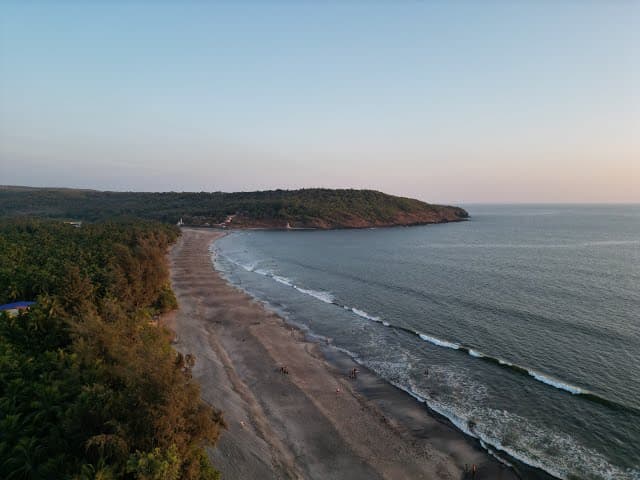
Every year, between November and February, female Olive Ridley sea turtles (Lepidochelys olivacea) haul themselves out of the Arabian Sea under cover of darkness and crawl up the sand at Anjarle Beach to lay their eggs. They've been doing this for millions of years. This specific beach, this specific angle of sand, this specific temperature — the turtles return to the same site, season after season.
Witnessing this is one of the most extraordinary wildlife experiences available within 5 hours of Mumbai or Pune.
The Olive Ridley Sea Turtle
The Olive Ridley is the most abundant sea turtle species in the world — and yet globally threatened, classified as Vulnerable by the IUCN. In Maharashtra, the primary nesting beaches are along the Ratnagiri district coast: Velas, Anjarle, and Guhagar.
The female Olive Ridley reaches the nesting beach after 2–5 years at sea. She hauls herself above the high-tide line, digs a 40–60 cm deep pit with her rear flippers, lays 100–120 eggs, covers the nest carefully, and returns to the sea — the entire process taking 45–90 minutes. She will repeat this at 2-week intervals, laying 3–5 nests per season.
The eggs incubate for 45–60 days. Hatchlings emerge synchronously — typically at night — and make their instinct-driven race to the water, guided by the reflected light of the sea horizon.
The Anjarle Turtle Conservation Programme
The Maharashtra Forest Department monitors nesting activity at Anjarle and several other beaches in coordination with local volunteer groups. The programme involves:
- Nightly beach patrols during nesting season to record and protect nests
- Relocation of nests in dangerous positions (near vehicle tracks or flood zones) to hatchery areas
- Hatchling releases: when eggs are laid in hatcheries, the release of hatchlings into the sea is sometimes open to public witnesses
Contact: Reach the Dapoli Forest Department office to enquire about hatchling release events and guided turtle watches. Timing cannot be predicted precisely — it depends on turtle activity.
What Actually Happens During a Turtle Watch
The experience is nothing like a zoo or aquarium encounter. It's dark, the beach is unlit, and patience is essential. A Forest Department volunteer leads a small group along the beach, looking for signs of activity — tracks in the sand (characteristic wide drag marks), or the dark shape of a nesting female.
When a nesting female is found, the group must:
- Approach from the rear only
- Move slowly and silently
- Not use white flashlights (red-light torches only)
- Maintain complete silence during the nesting process
- Not touch the turtle
Watching a creature this ancient — unchanged for 65+ million years — complete this process in the sand a few metres away is genuinely moving.
Rules for Visitors at Anjarle During Nesting Season
- No white artificial lights on the beach after dark — this disrupts nesting females and disorients hatchlings
- No campfires on the beach during nesting season
- No walking on roped-off nesting zones (marked by conservationists)
- No drones or flash photography
- Do not remove any eggs, shells, or dead hatchlings (illegal)
- Always follow Forest Department guide instructions
Getting to Anjarle
Anjarle Beach is 18 km from Dapoli — approximately 30 minutes by car. The last section is a village road. Park near the Kadyavarcha Ganpati temple and walk to the beach.
The turtle watch begins after dark — typically 9 PM to midnight. Arrange transport in advance; local taxis are available from Dapoli town.
Frequently Asked Questions
When is turtle nesting season at Anjarle Beach?
November through February. Peak nesting activity is typically December–January.
Is it guaranteed I will see turtles at Anjarle?
No — sightings cannot be guaranteed. Wild animals operate on their own schedule. However, during the height of nesting season (December–January), the probability of seeing nesting activity on any given night is reasonably high.
Can I visit Anjarle to see turtles independently, without a guide?
You can visit the beach, but a Forest Department guide significantly improves your chances of a sighting and ensures you follow correct protocol that protects the turtles.
Is there a fee for turtle watching at Anjarle?
There is no formal ticket system at the time of writing. The Forest Department may accept voluntary donations to the conservation programme.
Base Yourself Near Anjarle at Aurai Villa
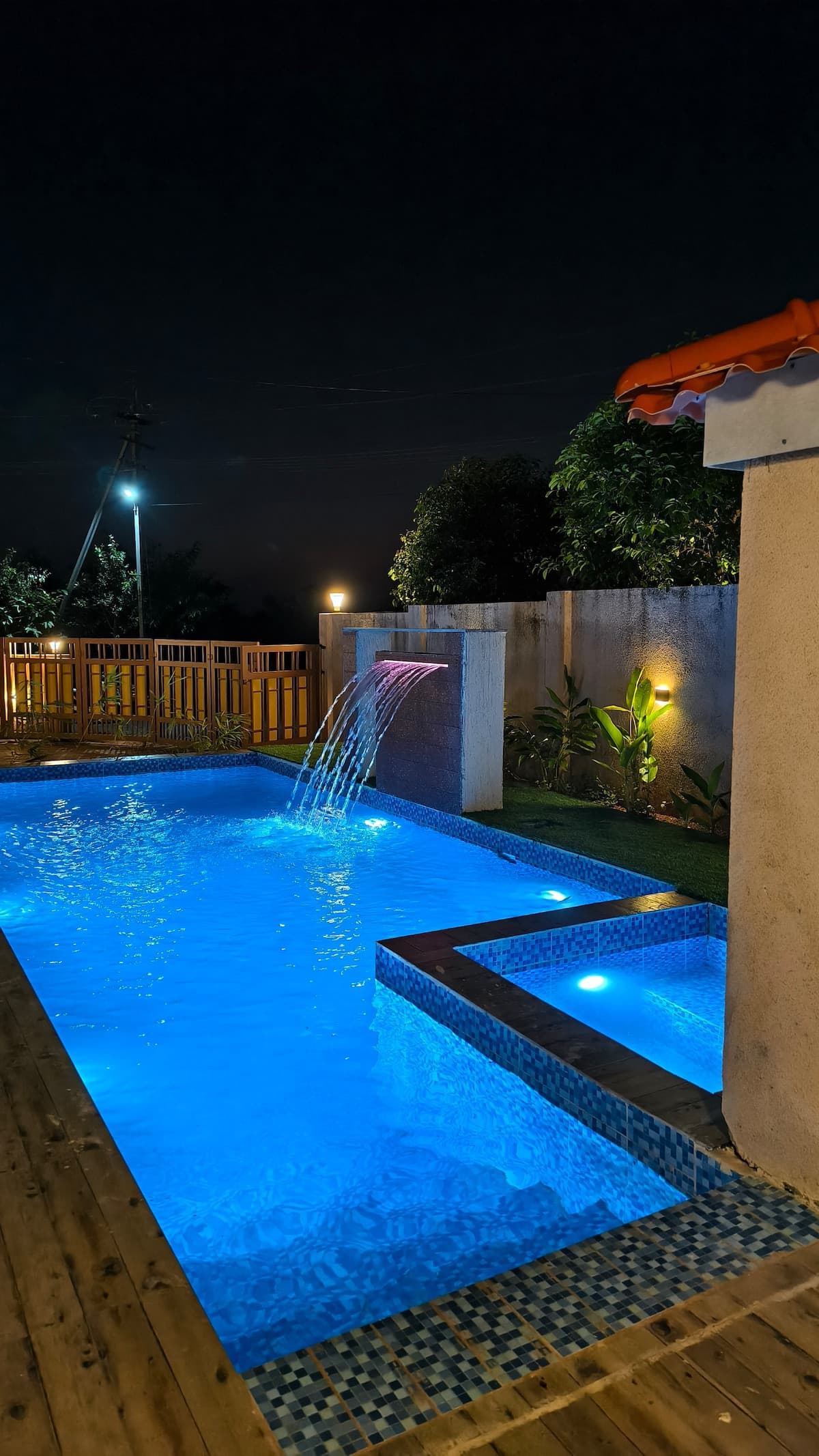
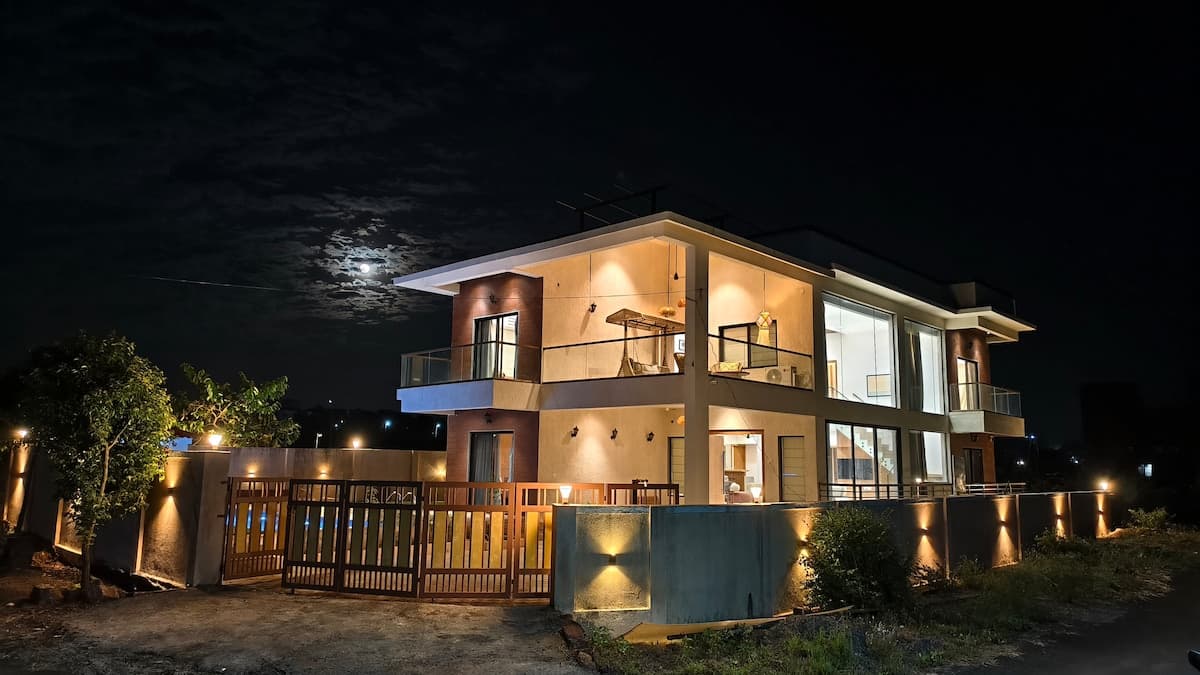
Aurai Villa near Kolthare Beach is 20 km from Anjarle — an ideal base for the turtle nesting season (November–February). Stay in a sea-facing 4BHK luxury villa with private pool and make the short evening drive for turtle watches. Book your November–February stay.
Aurai Villa Team
Written by the hosts of Aurai Villa — a sea-facing 4BHK luxury villa with private pool and jacuzzi near Kolthare Beach, Dapoli. We share travel guides, local tips, and insider knowledge about the Konkan coast to help you plan the perfect getaway.