Kolthare Beach: A Complete Visitor's Guide
Everything you need to know about Kolthare Beach — from how to get there and the best time to visit, to what to do and where to stay near this Dapoli gem.
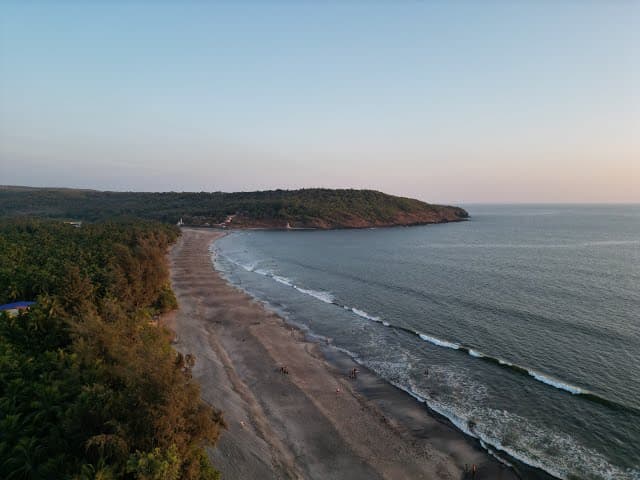
Kolthare Beach is one of those places that makes you wonder why it is not more famous. A kilometre-long stretch of golden sand, fringed by casuarina trees and backed by low hills, it sits quietly on the Konkan coast near Dapoli — largely unknown to the tourist masses.
What Makes Kolthare Special
Unlike popular Konkan beaches that have been slowly commercialised, Kolthare retains an untouched quality. There are no beach shacks, no jet ski operators, no touts. What you get is a wide, clean beach with consistent waves, clear water, and the kind of silence that only empty coastlines can offer.
The beach faces west, which means spectacular sunsets. The sand has a golden-brown hue that turns deep amber in the evening light. At low tide, the beach extends significantly, revealing rock pools and tidal channels worth exploring.
How to Get There
Kolthare is about 15 kilometres from Dapoli town. If you are driving from Mumbai (210 km) or Pune (170 km), Kolthare is typically reached via Dapoli. The last stretch from Dapoli to Kolthare is along a narrow but paved road through mango orchards and small hamlets.
There is no public transport directly to the beach — you will need your own vehicle or a hired car from Dapoli.
Best Time to Visit
October to February offers the best conditions — pleasant weather, calm seas, and clear visibility. The beach is swimmable during this period, though always exercise caution as there are no lifeguards.
March to May is hotter but still enjoyable, especially early morning and evening. The water remains inviting.
Monsoon (June-September) transforms the coast dramatically. The sea becomes rough with large waves — not safe for swimming but extraordinary to watch. The surrounding hills turn impossibly green.
Things to Do
Morning Beach Walks — Arrive at sunrise for the best light. The beach is usually deserted in the early hours, and you might spot crabs, sea birds, and occasional dolphins in the distance.
Swimming — The beach has a gradual slope, making it reasonably safe for swimming during calm months. Stay within your depth and watch for the undertow.
Photography — The combination of casuarina trees, fishing boats, and dramatic skies makes Kolthare a photographer's paradise. Golden hour here is genuinely golden.
Fishing Village Visit — Walk north along the beach to reach the small fishing hamlet. Watching fishermen sort their catch is a glimpse into the traditional Konkan way of life.
Shell Collecting — Low tide reveals an array of shells and marine life in the rock pools at the southern end of the beach.
Where to Stay
The best accommodation near Kolthare is in private villas and homestays rather than hotels. Properties within walking distance of the beach offer the ideal setup — you can stroll down for a sunset walk without needing to drive.
Look for villas with sea views set on the elevated ground behind the beach. Some properties in the gated community above Kolthare offer panoramic views of the entire coastline from their terraces.
Practical Tips
- Carry your own water and snacks — there are no shops or stalls on the beach itself
- Sunscreen is essential, even on cloudy days — the coastal UV is strong
- Wear shoes if exploring the rocky sections at low tide — some rocks are sharp
- Respect the beach — carry out everything you bring in
- Cell coverage is decent at Kolthare but do not rely on it for navigation
Kolthare Beach is not trying to be anything it is not. It does not have water sports or beach parties. What it offers instead is something increasingly valuable — a genuinely beautiful, quiet stretch of coast where the only soundtrack is waves.
Frequently Asked Questions
Where exactly is Kolthare Beach?
Kolthare Beach is about 15 km from Dapoli town in the Ratnagiri district, Maharashtra. GPS coordinates: 17.6617° N, 73.1337° E. It is closest to the village of Kolthare.
Is Kolthare Beach safe for swimming?
Yes, between October and May when the sea is calm. There are no lifeguards, so swim within your depth and watch for undertow. Avoid swimming during monsoon season.
Are there hotels near Kolthare Beach?
There are limited hotel options. Private villas and homestays offer better value and experience. The best accommodation is within the gated community above the beach with panoramic sea views.
What is the best time to visit Kolthare Beach?
November to February for ideal weather. Read our season guide for Dapoli for complete month-by-month advice.
Stay Next to Kolthare Beach at Aurai Villa
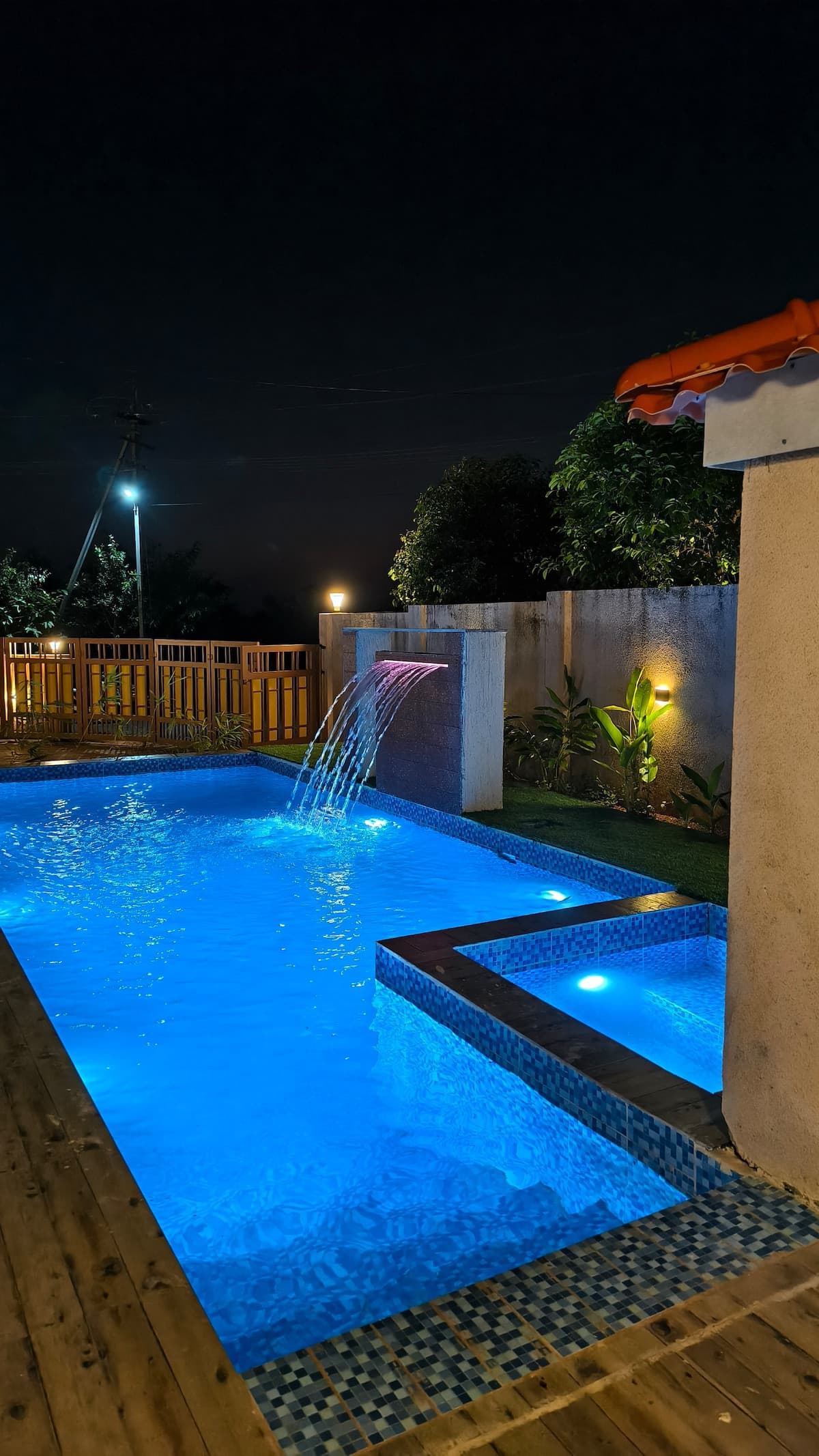
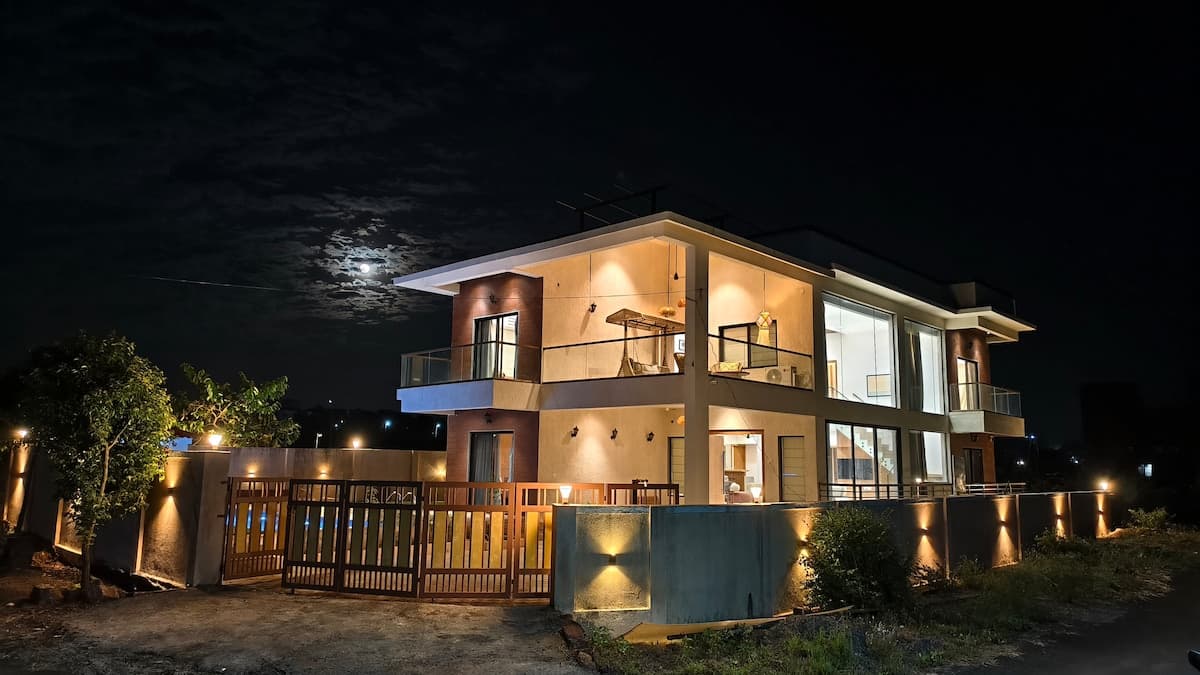
Aurai Villa is situated just minutes from Kolthare Beach — wake up to ocean sounds, walk down for sunrise, and return to your private pool. A sea-facing 4BHK villa from ₹25,000/night. Book your Kolthare Beach stay.
Aurai Villa Team
Written by the hosts of Aurai Villa — a sea-facing 4BHK luxury villa with private pool and jacuzzi near Kolthare Beach, Dapoli. We share travel guides, local tips, and insider knowledge about the Konkan coast to help you plan the perfect getaway.