Konkan Cuisine: Must-Try Dishes During Your Dapoli Trip
From fiery fish curries to cooling sol kadhi — discover the flavours of Konkan cuisine and what to eat when you visit Dapoli and the surrounding coast.
Konkan cuisine is the soul food of Maharashtra's coast. Built on three pillars — coconut, kokum, and fresh seafood — it is a cuisine that is simultaneously rustic and refined. If you are visiting Dapoli, eating well is not just possible, it is unavoidable. Here is your guide to the dishes that define this coast.
The Foundation: Coconut and Kokum
Almost every Konkani dish starts with coconut. Freshly grated, ground into paste, pressed for milk, or dried as copra — coconut appears in curries, chutneys, rice dishes, and sweets. The flavour profile is gentler and more nuanced than the fiery cuisines found elsewhere in India.
Kokum — a small, dark purple fruit from the Garcinia indica tree — provides the distinctive sour note that defines Konkani cooking. Where tamarind dominates in the south and tomato in the north, kokum reigns supreme on this coast. It is lighter on the palate and does not overpower the other flavours.
Must-Try Dishes
Sol Kadhi
The quintessential Konkan drink-cum-dish. Made from kokum extract and coconut milk, this pink-hued liquid is served as a digestive alongside meals or sipped on its own. It is cooling, tangy, and utterly addictive. Every household has a slightly different recipe.
Fish Thali
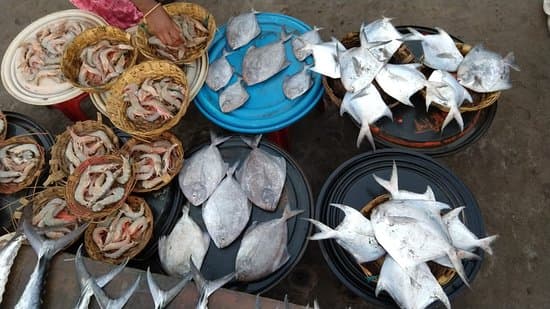
The Konkani fish thali is a complete meal: rice, fish curry (usually in a red or white coconut gravy), fried fish, sol kadhi, pickle, papad, and sometimes a vegetable side. The fish varies by season — surmai (kingfish), bangda (mackerel), pomfret, and bombil (Bombay duck) are common.
Kombdi Vade
Chicken curry served with deep-fried wheat bread (vade). The curry is rich with coconut and warming spices. This is the dish you will find at every Konkani celebration and festival. The vade — crisp outside, soft inside — soak up the gravy perfectly.
Ukdiche Modak
Steamed rice flour dumplings filled with jaggery and freshly grated coconut. Modak is sacred to Lord Ganesha and is Konkan's most beloved sweet. The steamed version (ukdiche) is lighter and more delicate than the fried kind.
Bharli Vangi
Stuffed baby aubergines in a spiced peanut-coconut gravy. A vegetarian dish that holds its own against the seafood stars. The roasted peanut masala gives it a depth that surprises first-timers.
Kolambi Bhaat
Prawn pulao cooked in coconut milk with whole spices. The rice absorbs the prawn flavour completely, creating something much greater than the sum of its parts. Often served at festive occasions.
Where to Eat in Dapoli
Harnai Port Area — Several no-frills restaurants serve the freshest seafood thalis. The fish was swimming in the sea that morning. Do not expect fancy decor — the food is the star.
Dapoli Market — Small eateries around the main market serve excellent misal pav and kanda bhaji (onion fritters) for breakfast.
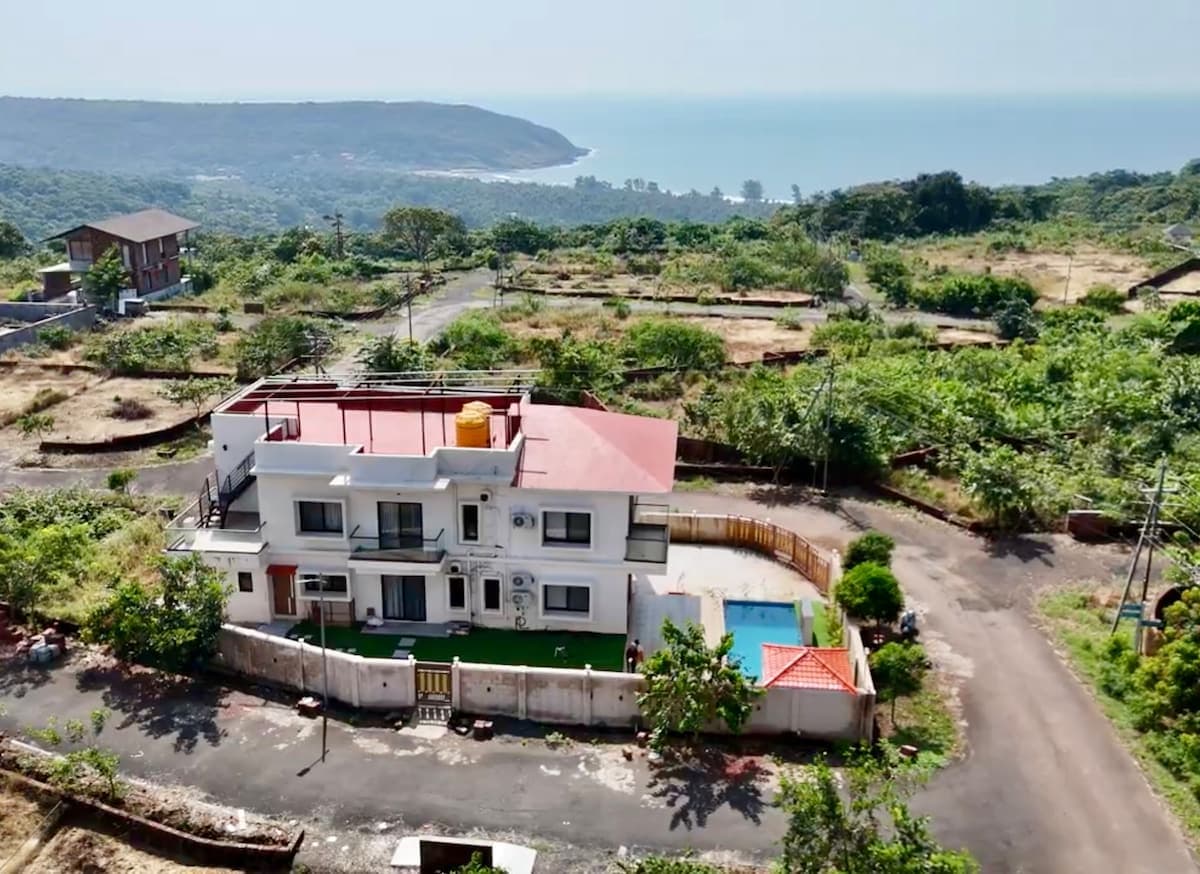
Your Villa Kitchen — Buy fresh fish from the Harnai market, and either cook it yourself or ask your caretaker to arrange a local cook. A home-cooked Konkani meal in a sea-facing villa is an experience that no restaurant can match.
What to Take Home
Visit the Dapoli market for edible souvenirs: Konkani masala (a spice blend for fish curry), dried kokum, cashew nuts (Konkan produces excellent cashews), mango pickles, and coconut oil pressed from local copra.
During mango season (April-May), Alphonso mangoes from the Konkan region are considered the finest in the world. If you are visiting during this period, buy them by the dozen.
For Vegetarians
Konkan cuisine is not exclusively non-vegetarian. Dishes like bharli vangi, amti (lentil curry with kokum), batata bhaji (spiced potatoes), and sabudana khichdi are staples. The coconut-based gravies work beautifully with vegetables too.
The food of the Konkan coast does not shout — it invites. It is not about heat for the sake of heat, but about layered flavours that unfold gradually. Give your palate a day to adjust, and you will understand why Konkanis are so proud of their kitchen.
Frequently Asked Questions
What is the most famous dish of Konkan cuisine?
Sol kadhi (the cooling coconut-kokum drink) and fish thali are the signature dishes. Most visitors agree that a proper Konkani fish thali at a local restaurant near Harnai is the defining culinary experience.
Where is the best place to eat seafood in Dapoli?
The eateries near Harnai port serve the freshest catch. For an authentic experience, buy fresh fish from the Harnai fish market and ask your villa caretaker to arrange a local cook.
Is Konkan food spicy?
Moderately spicy — gentler than South Indian cuisine but with a distinctive heat from red chillies. Coconut milk in curries tempers the heat. Sol kadhi is always cooling and digestive.
Can vegetarians eat well in Dapoli?
Yes. Bharli vangi, amti, batata bhaji, and modak are all excellent vegetarian options. Most Konkani restaurants offer a full vegetarian thali alongside the fish dishes.
Cook Konkan Food at Your Villa
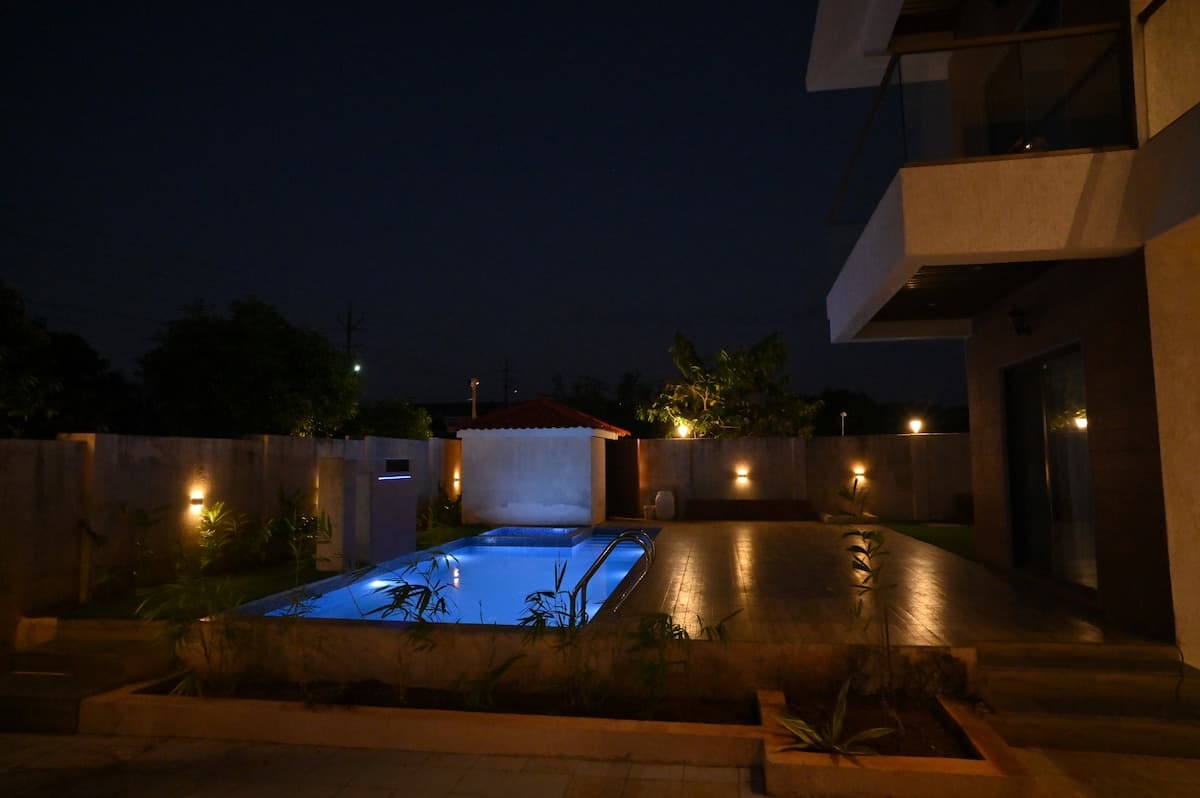
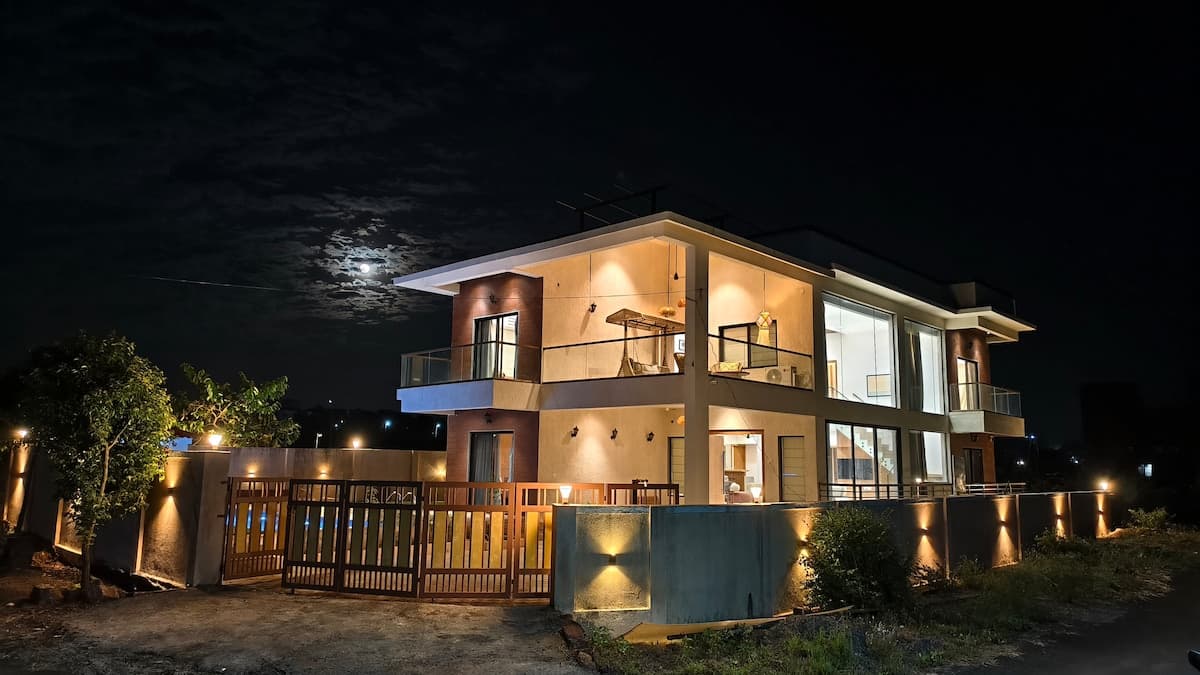
When you book Aurai Villa, you get a fully equipped kitchen — buy fresh seafood from Harnai market (20 minutes away) and cook it yourself or arrange a local Konkani cook through our caretaker. The best Konkan meal is the one you cook with a sea view. Book here.
Aurai Villa Team
Written by the hosts of Aurai Villa — a sea-facing 4BHK luxury villa with private pool and jacuzzi near Kolthare Beach, Dapoli. We share travel guides, local tips, and insider knowledge about the Konkan coast to help you plan the perfect getaway.