Konkan Coast Travel Guide: Beaches, Forts & Hidden Gems
A comprehensive guide to exploring the Konkan coast — Maharashtra's 720-kilometre stretch of beaches, historic forts, and fishing villages waiting to be discovered.
Stretching over 720 kilometres along Maharashtra's western edge, the Konkan coast is one of India's most beautiful and least explored coastal regions. From the mangrove creeks of Thane to the tropical beaches of Sindhudurg, this strip offers a density of natural beauty that rivals any coastline in the country.
Understanding the Konkan
The Konkan is not a single destination but a region spanning four districts — Thane, Raigad, Ratnagiri, and Sindhudurg. Each has its own character. The northern section around Alibaug is more developed and accessible. The southern stretches near Malvan retain a wilder, more untouched quality. The middle section around Dapoli and Harnai offers arguably the best balance of accessibility and authenticity.
The Best Beaches
The Konkan has hundreds of beaches, most without a single shack or sunbed. Kolthare Beach near Dapoli is a long golden stretch backed by casuarina trees — perfect for walking but with enough waves for body surfing. Kashid Beach in Raigad is one of the most accessible from Mumbai with white sand. Tarkarli Beach in Sindhudurg offers crystal-clear water ideal for snorkelling and scuba diving.
For solitude seekers, Velneshwar Beach and Guhagar Beach are longer stretches where you can walk for an hour without seeing another soul.
Historic Sea Forts
The Konkan coast is dotted with forts that tell the story of Maratha naval power. Sindhudurg Fort near Malvan is the most famous — built by Shivaji Maharaj in 1664 on a rocky island. Suvarnadurg Fort near Dapoli is smaller but equally atmospheric, accessible by a short boat ride from Harnai. Murud-Janjira is a massive island fortress that was never conquered.
Each fort offers a different perspective on how the Marathas controlled the western coastline — a military strategy built on sea power that was centuries ahead of its time.
Fishing Villages and Local Life
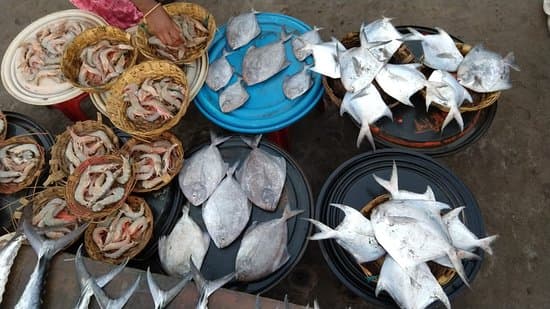
The rhythm of Konkan life revolves around the sea. Wake early and you will see fishing boats heading out at dawn, returning mid-morning with the catch. Towns like Harnai, Malvan, and Ratnagiri have bustling fish markets where you can buy everything from prawns to pomfret to the prized surmai (kingfish).
Many villages still use traditional fishing methods — watching a dozen fishermen haul in a seine net together is a spectacle that connects you to a way of life unchanged for generations.
Food of the Konkan
Konkani cuisine is defined by coconut, kokum, and fresh seafood. Must-try dishes include solkadhi (a cooling coconut-kokum drink served with meals), fish thali (typically featuring fried fish, curry, rice, and bhakri), and modak (sweet dumplings that are the region's most beloved dessert).
Every household has its own masala recipe passed down through generations. If you get the chance to eat a home-cooked Konkani meal, do not pass it up.
Best Time to Visit
October to May is ideal — clear skies, calm seas, and comfortable temperatures. December to February brings the most pleasant weather. The monsoon (June-September) transforms the landscape into an impossibly vivid green, but many beaches become inaccessible due to rough seas.
Getting Around
A self-driven car gives you the most flexibility. The coastal roads are scenic but winding — expect average speeds of 40-50 km/h on the state highways. Buses connect major towns but are infrequent for smaller villages. Some stretches between towns have no public transport at all.
The Konkan Railway runs along the coast with stops at major towns, but stations are often inland, requiring a further drive to reach coastal destinations.
The Konkan coast is India's answer to those who have been seeking untouched coastline. It is there, waiting — you just have to look south of Mumbai.
Frequently Asked Questions
Which is the best area on the Konkan coast to visit?
Dapoli and Harnai offer the best balance of accessibility, beaches, and historical interest. Read our complete guide to Dapoli to plan your visit.
What is the most famous food on the Konkan coast?
Sol kadhi, fish thali, and kombdi vade. See our Konkan cuisine guide for a complete breakdown of must-try dishes.
Is Konkan coast worth visiting in monsoon?
Yes — the dramatic scenery and lush green hills make monsoon one of the most magical seasons. Read our best time to visit Dapoli guide to understand each season.
Stay at the Heart of the Konkan Coast
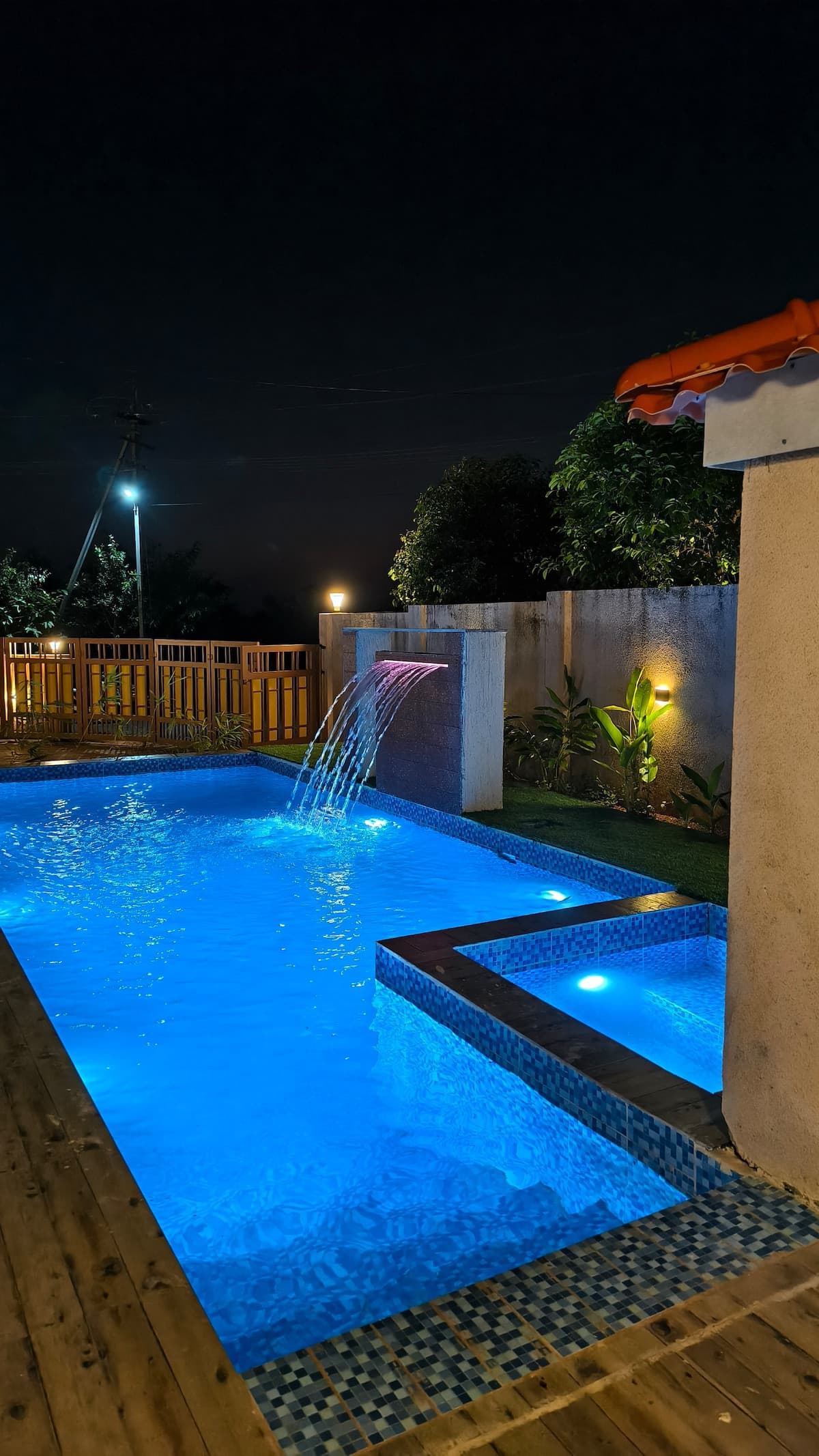
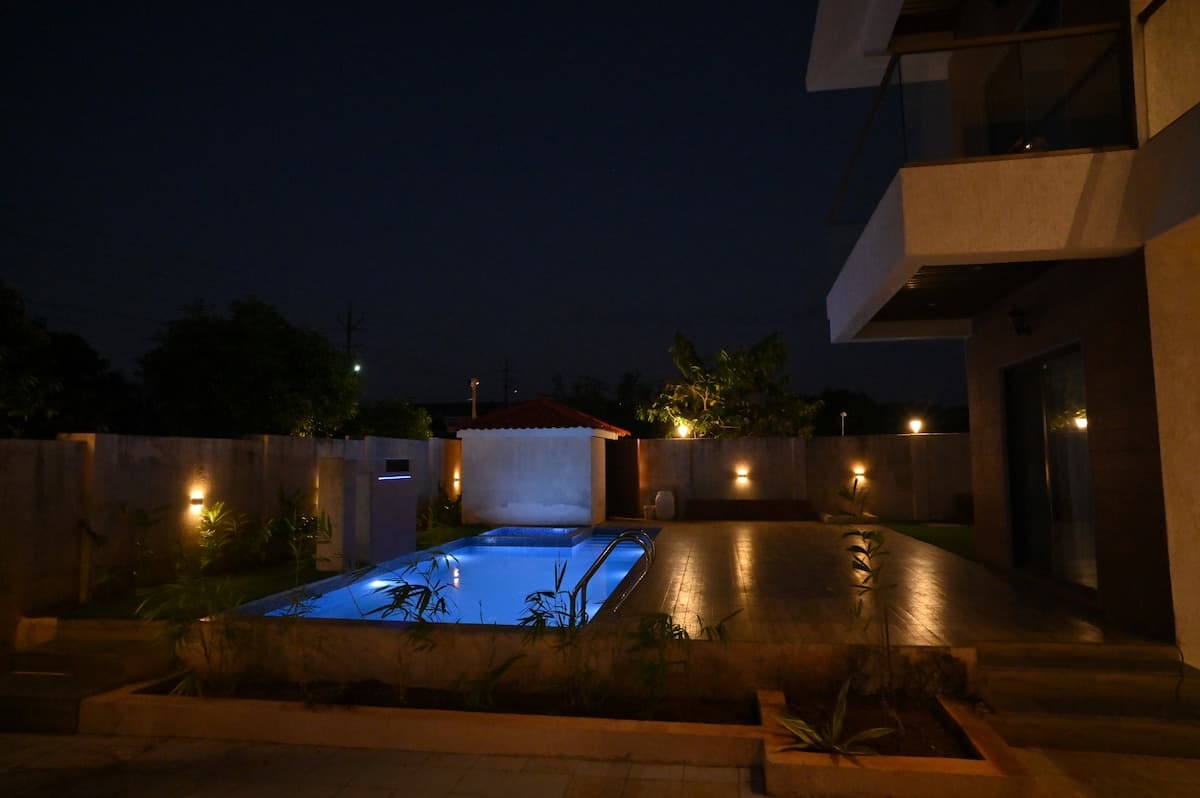
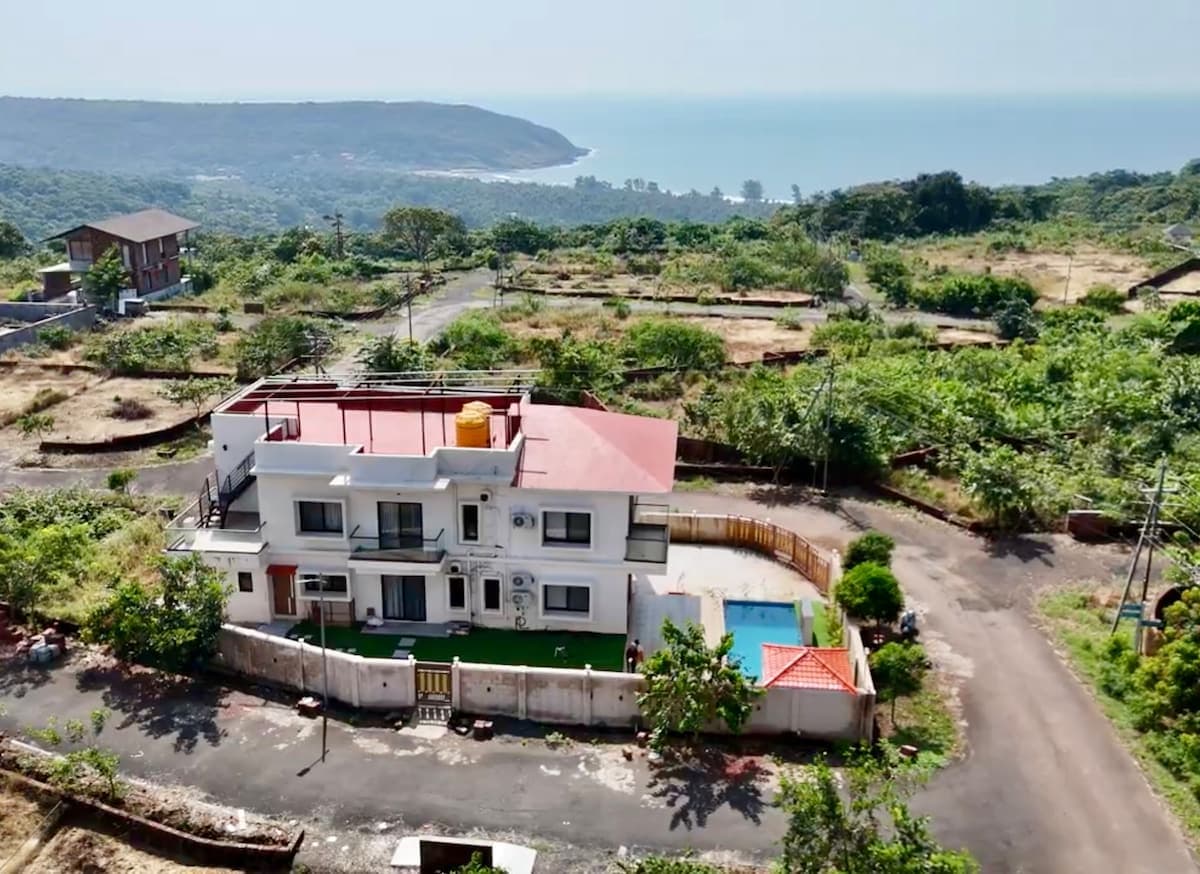
Aurai Villa is positioned near Kolthare Beach — one of the Konkan coast's most pristine stretches — with sea views from every bedroom. A perfect base for exploring beaches, forts, and villages. Book your Konkan coast stay here.
Aurai Villa Team
Written by the hosts of Aurai Villa — a sea-facing 4BHK luxury villa with private pool and jacuzzi near Kolthare Beach, Dapoli. We share travel guides, local tips, and insider knowledge about the Konkan coast to help you plan the perfect getaway.